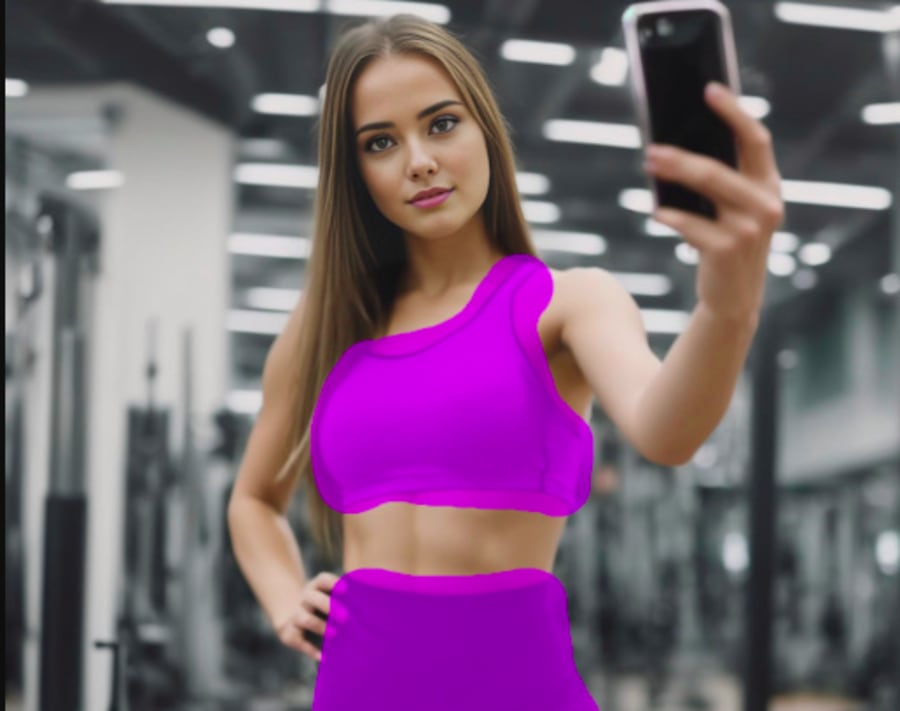
In recent years, artificial intelligence has made major advances in image synthesis and facial manipulation. One of the most controversial developments in this field is DeepFake technology, which can alter or generate highly realistic images and videos of people. Among these applications, DeepNude-style systems have gained attention for their ability to create synthetic adult-themed imagery from ordinary photos. This raises both technological fascination and serious ethical concerns.
What is DeepFake Nude Technology?
DeepFake Nude effects refer to AI-driven systems that attempt to digitally reconstruct or simulate nude appearances using machine learning models trained on large datasets. These systems analyze body structure, lighting, and skin texture patterns to generate realistic outputs. However, the results are not real photographs—they are artificial creations produced by neural networks.
Many tools marketed under names like Face Swap AI or DeepFake AI use similar underlying methods, focusing on facial replacement, body mapping, or image synthesis. The concept behind DeepNude AI is part of this broader ecosystem of generative AI technologies.
How does it work?
At a technical level, these systems rely on deep learning models such as Generative Adversarial Networks (GANs). One network generates images while another evaluates them, improving realism over time. The AI learns from thousands or millions of examples to predict what a transformed image might look like.
But an important question arises: how accurate are these AI-generated results?
The answer is that while they may appear realistic at first glance, they often contain subtle distortions in anatomy, lighting, or texture. Advanced models improve realism, but they are still statistical predictions rather than true representations of reality.
Why is this technology controversial?
The main concern surrounding DeepFake Nude applications is consent and privacy. Since AI can manipulate images of real individuals, it raises ethical questions such as:
- Is it acceptable to alter someone’s appearance without permission?
- What happens if such images are shared publicly?
- Can this technology be misused for harassment or misinformation?
These concerns have led many platforms and developers to restrict or regulate DeepFake-related tools, especially those involving adult or sensitive content.
Are there positive uses of this technology?
Despite controversy, similar AI techniques have legitimate applications. For example, Face Swap AI and DeepFake systems are used in film production, gaming, virtual avatars, and visual effects. They help create realistic characters, de-aging effects, or dubbing improvements in movies.
So the key difference lies in intent and ethical use rather than the technology itself.
Final thoughts
DeepFake Nude effects and DeepNude AI technologies highlight both the power and risk of modern artificial intelligence. While they demonstrate impressive progress in image generation, they also challenge our understanding of digital authenticity and personal consent.
As AI continues to evolve, the balance between innovation and responsibility will remain essential. The future of DeepFake and Face Swap AI will depend not only on technical advancement but also on strong ethical guidelines and responsible usage practices. AI Nude Generator Explained: How Deep Nude AI Creates Lifelike NSFW Art Safely.
#DeepNudeInnovation #AItools